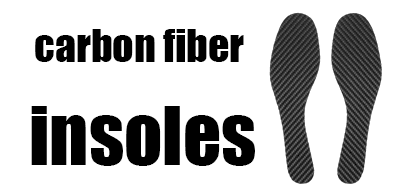
The Rise of Carbon Fiber Insoles in Endurance Sports
Marathon runners are always searching for ways to improve performance, reduce fatigue, and prevent injuries. Recently, carbon fiber insoles have surged in popularity among elite athletes and amateur runners alike. But what makes these high-tech inserts so special?
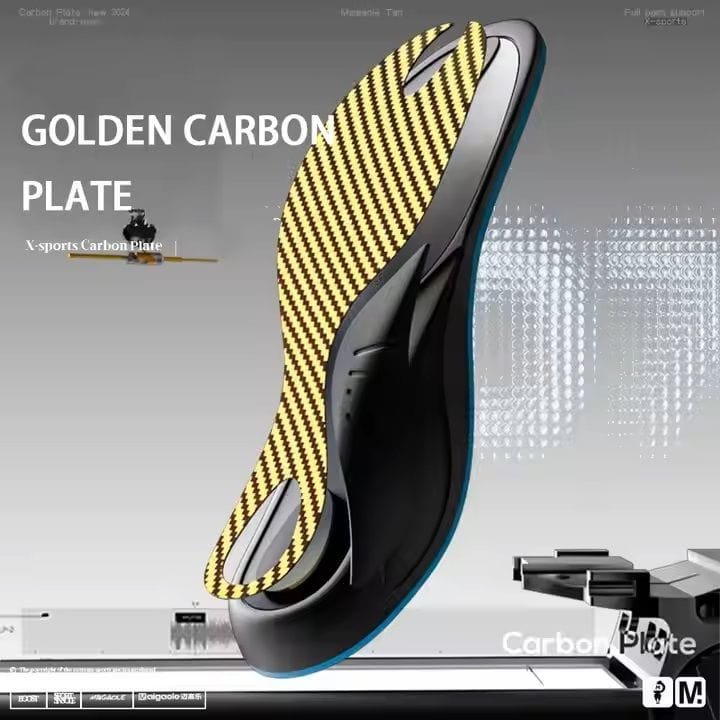
1. What Are Carbon Fiber Insoles?
Carbon fiber insoles are rigid or semi-rigid inserts made from woven carbon fiber sheets, a lightweight yet ultra-strong material originally used in aerospace and motorsports. Unlike traditional foam or gel insoles, carbon fiber provides:
- High energy return – The stiffness helps propel the foot forward with each stride.
- Superior arch support – Reduces strain on the plantar fascia.
- Lightweight durability – Weighs less than plastic or composite alternatives.
2. Why Marathon Runners Love Carbon Fiber Insoles
A. Enhanced Energy Efficiency & Faster Times
One of the biggest selling points of carbon fiber insoles is their ability to reduce energy loss during a run. Traditional insoles compress with each step, wasting effort. Carbon fiber’s rigidity minimizes deformation, allowing more energy to transfer into forward motion.
A 2022 study in the Journal of Sports Engineering and Technology found that runners using carbon fiber inserts improved their running economy by 3-5%—a significant margin in competitive marathons.
B. Reduced Fatigue & Delayed Muscle Burnout
Long-distance runners often suffer from foot fatigue and calf strain due to repetitive impact. Carbon fiber insoles stabilize the foot, reducing unnecessary muscle activation. This means:
- Less calf fatigue (critical in late-race stages)
- Lower risk of overuse injuries (like shin splints)
- More consistent pacing over 26.2 miles
C. Injury Prevention: Plantar Fasciitis & Stress Fractures
Many runners struggle with plantar fasciitis and metatarsal stress fractures. Carbon fiber insoles offer:
- Rigid arch support to reduce strain on the plantar fascia
- Even weight distribution to prevent hot spots and pressure injuries
- Shock absorption (when combined with a thin foam layer)
A 2023 survey by Runner’s World found that 68% of marathoners using carbon fiber insoles reported fewer foot injuries compared to standard inserts.
3. Carbon Fiber vs. Plastic Running Insoles: Which is Better?
A common debate is whether carbon fiber insoles outperform plastic orthotics (like those from Powerstep or Spenco). Here’s how they compare:
| Feature | Carbon Fiber Insoles | Plastic Insoles |
|---|---|---|
| Weight | Ultra-light (10-30g) | Heavier (50-80g) |
| Energy Return | High (minimal flex) | Moderate (some flex) |
| Durability | Long-lasting (no breakdown) | Wears out over time |
| Cost | $$$ (80−200) | $$ (30−80) |
Verdict: Carbon fiber is better for elite runners seeking maximum efficiency, while plastic may suffice for casual joggers.
Final Verdict: Should You Try Carbon Fiber Insoles?
If you’re a serious marathoner looking to improve efficiency, reduce injuries, and shave seconds off your time, carbon fiber insoles are worth testing. However, if you run shorter distances or prefer a softer feel, traditional insoles may suffice.
Key Takeaways:
✅ Best for: Marathoners, ultrarunners, and competitive athletes
✅ Top benefits: Energy return, injury prevention, reduced fatigue
❌ Downsides: Expensive, less cushioning than foam
Have you tried carbon fiber insoles? Pickup for you👉 https://carbonfiberinsoles.shop/
#RunningGear #MarathonTraining
Why Carbon Fiber Insoles Are a Runner’s Best Friend
Runners constantly seek ways to improve their performance and reduce the risk of injury. Carbon fiber insoles have emerged as one of the most effective tools in a runner’s arsenal. The unique properties of carbon fiber—including its high strength-to-weight ratio and excellent energy return—make it ideal for the repetitive impact forces that running entails.
Studies have shown that the right insole can improve running economy by up to 2-3%, which translates to significant time savings over long distances. Carbon fiber insoles accomplish this by storing energy during foot strike and releasing it during toe-off, creating a propulsive effect that reduces the muscular work required from your legs.
For marathon runners, the cumulative effect of improved efficiency becomes even more pronounced. Over 26.2 miles, even small improvements in energy conservation can make the difference between a personal best and falling short of your goals. Many elite runners have incorporated carbon fiber insoles into their training and racing routines specifically for this reason.
Therapeutic Benefits for Common Foot Conditions
Beyond athletic performance, carbon fiber insoles offer significant therapeutic benefits for individuals managing common foot conditions. The rigid arch support provided by carbon fiber helps maintain the natural alignment of the foot, reducing strain on the plantar fascia—the thick band of tissue connecting the heel to the ball of the foot.
For those with flat feet or fallen arches, carbon fiber insoles act as a supportive foundation that redistributes pressure away from problem areas. Many users with chronic foot pain report noticeable improvement within the first few weeks of switching to carbon fiber insoles, making them a cost-effective alternative to custom orthotics for many individuals.
The Science of Lightweight Performance
Every gram matters in competitive sports. Research in sports biomechanics has consistently shown that reducing shoe weight improves running economy, with even small reductions translating to meaningful performance gains. Carbon fiber achieves what was previously impossible: exceptional strength and rigidity in an incredibly lightweight package.
The key to carbon fiber’s performance lies in its anisotropic properties—meaning it behaves differently depending on the direction of force. When engineered correctly for insoles, carbon fiber provides maximum stiffness along the length of the foot where support is most needed while allowing enough flexibility for natural foot motion.
Frequently Asked Questions
How long do carbon fiber insoles last?
Carbon fiber insoles are known for their exceptional durability. With proper care, they can last between 2-5 years depending on usage frequency and activity type. Unlike traditional foam or gel insoles that compress over time, carbon fiber maintains its structural integrity and supportive properties much longer. Athletes who use them daily for high-impact sports may see some wear after 1-2 years, while occasional users can enjoy their benefits for 3-5 years or more.
Are carbon fiber insoles suitable for all types of shoes?
Carbon fiber insoles are designed to fit most athletic shoes, running shoes, soccer cleats, and basketball shoes. They are available in various sizes and can be trimmed to fit your specific shoe size. However, they may not fit well in very narrow or flat shoes without removable insoles. Always check the manufacturer’s sizing guide and ensure your shoes have enough depth to accommodate the insole comfortably.
Can carbon fiber insoles help with existing foot pain?
Many users report significant relief from foot pain after switching to carbon fiber insoles. The rigid yet lightweight structure helps distribute pressure evenly across the foot, reducing strain on the arch, heel, and ball of the foot. They are particularly beneficial for people suffering from plantar fasciitis, flat feet, and general foot fatigue. However, for chronic or severe foot conditions, it is always recommended to consult with a podiatrist or healthcare professional.
Related Products
Explore our curated selection of carbon fiber insole products designed to enhance your athletic performance and foot comfort:
- Carbon Fiber Insoles – Our flagship product delivering unmatched support and energy return
- Running Insoles – Engineered specifically for runners seeking speed and comfort
- Soccer Insoles – Designed for football players who demand stability and quick movements
- Basketball Insoles – Maximize your vertical jump and landing comfort