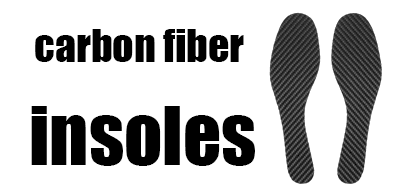
If you suffer from hallux rigidus—a painful stiffness in the big toe joint—you know how much it can disrupt daily life. Walking, running, or even standing for long periods becomes a challenge. While medications, physical therapy, and surgery are common treatments, carbon fiber insoles offer a non-invasive, long-term solution to relieve pain and improve mobility.

What Is Hallux Rigidus? (The Stiff Big Toe Problem)
Hallux rigidus is a form of degenerative arthritis that affects the metatarsophalangeal (MTP) joint at the base of the big toe. Over time, cartilage wears down, leading to:
✔ Pain & stiffness when walking or bending the toe
✔ Swelling & inflammation around the joint
✔ Limited range of motion, making it hard to push off when walking
✔ Bone spurs, which can worsen discomfort
Who Gets Hallux Rigidus?
Athletes (runners, soccer players, dancers)
People with flat feet or high arches (biomechanical stress)
Those with a history of toe injuries (turf toe, fractures)
Older adults (natural joint wear and tear)
Without proper support, the condition can progress, leading to chronic pain and difficulty walking.
Why Traditional Insoles Fail for Hallux Rigidus
Most soft cushioned insoles focus on shock absorption but don’t address the root cause of hallux rigidus pain: excessive toe bending.
Problems with Standard Insoles:
❌ Too flexible – Allow the big toe to bend too much, increasing joint stress.
❌ Wear out quickly – Lose shape within months, reducing effectiveness.
❌ No motion control – Don’t prevent overpronation or improper gait.
How Carbon Fiber Insoles Solve These Issues
Carbon fiber insoles are ultra-thin, rigid, and lightweight, providing:
✅ Restricted Toe Motion – Prevents excessive bending, reducing joint strain.
✅ Enhanced Stability – Keeps the foot aligned, improving push-off power.
✅ Long-Lasting Durability – Won’t compress or wear out like foam insoles.
✅ Improved Energy Transfer – Makes walking and running more efficient.
How Carbon Fiber Insoles Work for Hallux Rigidus Relief
1. They Limit Painful Toe Movement
The rigid structure prevents the big toe from flexing too much, which is crucial for hallux rigidus sufferers. This reduces grinding in the joint and minimizes inflammation.
2. They Improve Gait & Biomechanics
By supporting the medial longitudinal arch, carbon fiber insoles:
Correct overpronation (foot rolling inward)
Encourage a smoother heel-to-toe transition
Reduce strain on knees and hips
3. They’re Lightweight & Comfortable
Unlike bulky orthotics, carbon fiber insoles are slim enough for dress shoes, sneakers, and work boots without sacrificing support.
4. They Help Avoid Surgery
Some foot-care professionals suggest rigid insoles before considering joint fusion or implants. Carbon fiber insoles can delay or even prevent the need for surgery.
Who Benefits Most from Carbon Fiber Insoles?
✔ Runners & Athletes
Reduces stress on the big toe during push-off.
Enhances performance by improving energy return.
✔ People Who Stand All Day (Nurses, Factory Workers, etc.)
Minimizes fatigue and joint pain.
Prevents worsening of hallux rigidus symptoms.
✔ Seniors with Arthritis
Makes walking less painful.
Improves balance and stability.
✔ Post-Surgery Recovery Patients
Provides controlled motion for healing.
Supports proper alignment during rehab.
Carbon Fiber Insoles vs. Other Treatments
| Treatment | Pros | Cons |
|---|---|---|
| Carbon Fiber Insoles | Non-invasive, long-lasting, improves gait | Requires proper fit |
| Cortisone Injections | Temporary pain relief | Doesn’t fix underlying issue |
| Physical Therapy | Strengthens muscles | Time-consuming, not always enough |
| Surgery (Fusion/Implant) | Permanent solution | Long recovery, risk of complications |
Best Option? For long-term relief without surgery, carbon fiber insoles are a proven, cost-effective choice.
How to Choose the Best Carbon Fiber Insoles
When shopping for hallux rigidus insoles, look for:
🔹 Full-Length Rigid Support – Covers the entire foot for maximum stability.
🔹 Trim-to-Fit Design – Ensures compatibility with different shoe types.
🔹 Breathable Top Cover – Prevents sweating and discomfort.
🔹 Medical-Grade Carbon Fiber – Guarantees durability and strength.
Our Top Recommendation: Carbon Fiber Insoles from CarbonFiberInsoles.Shop
Our insoles are trusted by customers worldwide for their:
Rigid yet lightweight construction
Slim profile that fits most shoes
Long-term pain relief for hallux rigidus
Frequently Asked Questions (FAQs)
1. How long do carbon fiber insoles last?
Unlike foam insoles, they do not wear out and can last for years.
2. Can I use them in dress shoes or athletic sneakers?
Yes! They’re thin enough for formal shoes yet strong enough for sports.
3. Will they help with other foot conditions like plantar fasciitis?
Yes! They reduce strain on the plantar fascia by improving foot alignment.
4. Are they comfortable despite being rigid?
Many users report less pain within days as the insoles reduce joint stress.
5. Do you ship to the US, UK, and Europe?
Yes! We offer fast international shipping to major markets.
Final Verdict: Are Carbon Fiber Insoles Worth It?
If you have hallux rigidus, arthritis, or big toe pain, carbon fiber insoles are one of the most effective non-surgical solutions. They:
✔ Reduce joint strain by limiting excessive toe movement
✔ Improve walking & running efficiency
✔ Last longer than foam or gel insoles
✔ Fit in almost any shoe
For proven relief, try our Premium Carbon Fiber Insoles today!
TAGS:
Hallux rigidus insoles,
Carbon fiber insoles for foot pain,
Best insoles for stiff big toe,
Hallux rigidus relief without surgery,
Carbon fiber shoe inserts,
Carbon fiber insoles provide a stable, rigid base that limits excessive foot motion during walking or standing. This controlled range of motion reduces stress on inflamed joints and overworked muscles, allowing the foot to function more efficiently with less discomfort throughout daily activities.
For those managing chronic foot conditions, gradual adaptation is key. Begin by wearing carbon fiber insoles for 1-2 hours on the first day, then extend wearing time by 30-60 minutes daily. This measured approach helps your feet adjust to the new support without causing additional strain or discomfort.
Frequently Asked Questions
Can carbon fiber insoles help with foot pain?
Yes, carbon fiber insoles provide firm arch support and distribute pressure evenly, significantly reducing pain from plantar fasciitis, metatarsalgia, and arthritis-related discomfort.
Are carbon fiber insoles good for people with arthritis?
Carbon fiber insoles offer excellent rigidity that reduces stress on arthritic joints by providing a stable platform and minimizing excessive foot flexion.
How do rigid insoles differ from soft cushioned insoles?
Rigid carbon fiber insoles limit excessive foot motion for people with joint instability or inflammation, while soft insoles focus on cushioning impact forces.
Can I use carbon fiber insoles with custom orthotics?
Carbon fiber insoles can sometimes be combined with prescription orthotics, but consult a podiatrist to ensure proper fit and avoid over-correction.
How quickly can I expect pain relief from carbon fiber insoles?
Many users report noticeable pain reduction within the first week, though full adaptation typically takes 2-4 weeks of consistent use.
Related Products
Looking to upgrade your gear? Check out these premium products: