
Plantar fasciitis is one of the most common foot injuries among runners, walkers, and athletes who spend long hours on their feet. With the growing popularity of carbon plate running shoes, many runners are asking: Do carbon shoes cause plantar fasciitis? Or are they actually safe—and even beneficial—for foot health?
In this article, we’ll break down the science behind carbon plate shoes, explain the link (or lack thereof) with plantar fasciitis, and provide actionable tips on how to prevent foot pain while enjoying the speed and energy return that carbon technology brings.
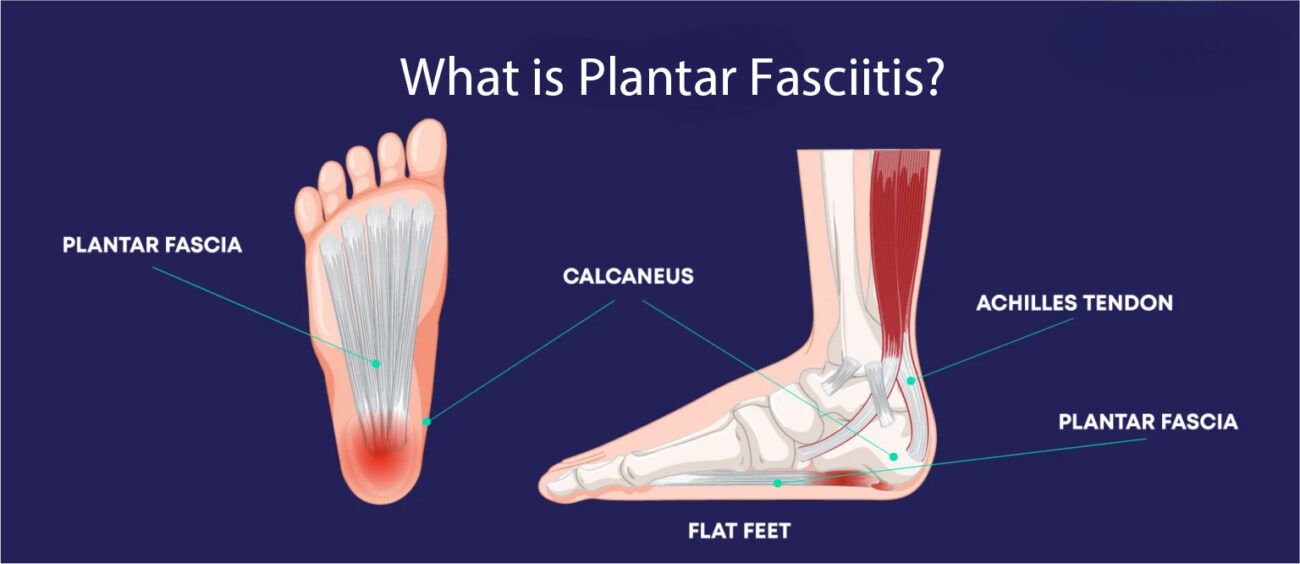
What Is Plantar Fasciitis?
Before addressing the role of carbon shoes, it’s important to understand plantar fasciitis itself.
Definition: Plantar fasciitis is an overuse injury caused by inflammation of the plantar fascia, the thick band of tissue that runs along the bottom of your foot from heel to toes.
Symptoms: Sharp heel pain, especially during the first steps in the morning or after long periods of standing.
Causes: Excessive running mileage, improper footwear, weak foot muscles, and biomechanical issues like flat feet or high arches.
In other words, plantar fasciitis is usually the result of repetitive stress—not a single type of shoe.
The Rise of Carbon Plate Running Shoes
Over the past decade, carbon plate shoes have revolutionized running. Brands from leading brands, major sportswear brands, major running brands, and major running brands have introduced high-performance shoes that promise faster race times and improved running economy.
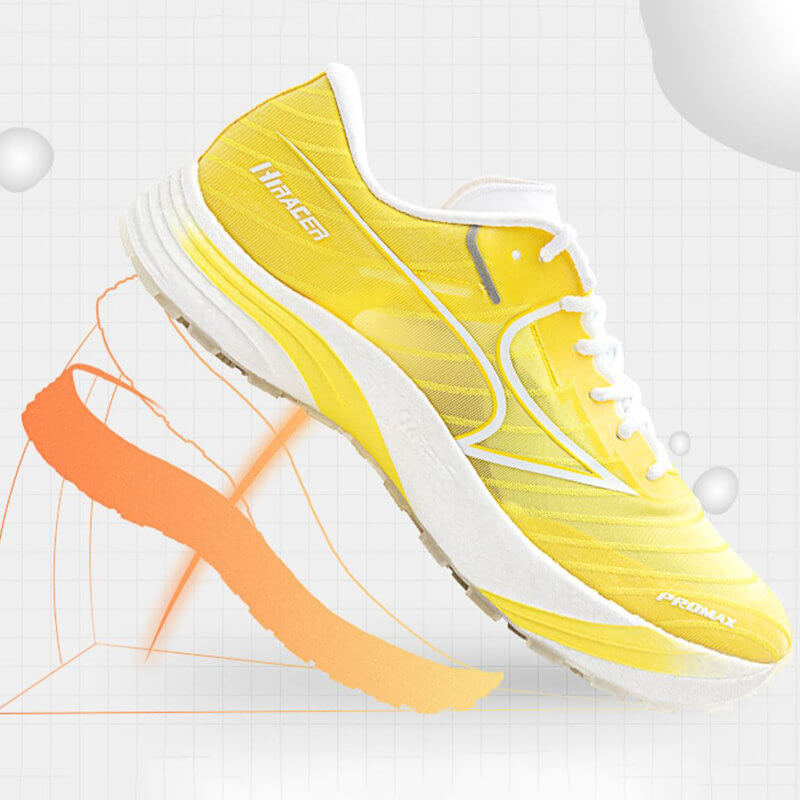
Carbon plate technology: A rigid carbon fiber plate embedded in the midsole helps stabilize the shoe, return energy, and create a “springboard” effect with each stride.
Benefits: Increased propulsion, reduced fatigue, and improved running efficiency, especially for marathons and half-marathons.
Popularity: Almost every elite marathon runner now uses carbon shoes in competition.
But with innovation comes concern. Many athletes wonder if this rigid plate could increase strain on the plantar fascia.
Do Carbon Shoes Cause Plantar Fasciitis?
The short answer: No, carbon shoes do not directly cause plantar fasciitis.
Here’s why:
Biomechanics
The carbon plate redirects force forward, reducing energy loss at the toe-off phase.
Instead of adding stress to the plantar fascia, it can actually distribute pressure more evenly across the foot.
Cushioning
Most carbon plate running shoes come with thick, responsive foam midsoles.
This cushioning absorbs impact, which can protect the heel and arch from excessive strain.
Research & Anecdotes
No scientific study has directly linked carbon shoes to higher plantar fasciitis rates.
Most runners report improved comfort and performance, not injury, when transitioning correctly.
When Carbon Shoes Might Contribute to Plantar Fasciitis
While carbon shoes are not the root cause, certain scenarios can increase the risk:
Sudden transition: Switching from regular trainers to carbon plate shoes without an adaptation period.
Overtraining: Increasing mileage or intensity too quickly, regardless of footwear.
Biomechanical issues: Flat feet, high arches, or weak stabilizing muscles can make runners more prone to plantar fasciitis.
Wearing carbon shoes daily: They are designed for racing, not everyday training. Using them constantly may stress your feet.
So the problem isn’t the shoe itself—it’s how and when you use it.
How to Prevent Plantar Fasciitis in Carbon Shoes
If you want to enjoy the performance benefits of carbon plate shoes without foot pain, follow these strategies:
1. Transition Gradually
Don’t run your longest distance in new carbon shoes on day one. Start with short runs, then slowly increase mileage.
2. Alternate with Training Shoes
Use carbon plate running shoes for races or speed sessions. Stick to cushioned trainers for daily runs to reduce repetitive stress.
3. Strengthen Your Feet
Exercises like calf raises, toe curls, and rolling your foot on a ball help build arch strength and reduce strain on the plantar fascia.
4. Use Supportive Insoles
If you are prone to plantar fasciitis, upgrading with carbon fiber insoles can add both support and stability. These insoles distribute pressure across the foot and reduce heel strain.
👉 Check out advanced carbon plate running shoes and insoles here: Carbon Fiber Insoles Shop.
5. Pay Attention to Recovery
Stretch your calves, massage your arches, and use ice if you feel soreness after long runs.
Carbon Shoes vs. Traditional Running Shoes
How do carbon shoes compare with traditional running shoes when it comes to plantar fasciitis?
Traditional trainers: Softer, more flexible, but sometimes lack energy return. May be more forgiving for everyday training.
Carbon plate shoes: Rigid, energy-efficient, and ideal for races. Provide excellent propulsion but require stronger feet.
Verdict: Neither type causes plantar fasciitis. The key factor is proper usage and runner-specific biomechanics.
Who Should Be Cautious with Carbon Shoes?
Certain groups should take extra care:
Runners recovering from plantar fasciitis
Beginners without a solid training base
People with flat feet or very high arches
Runners who only own one pair of shoes (no rotation)
For these groups, pairing carbon plate shoes with custom or carbon fiber insoles can make a big difference.
The Bottom Line
So, do carbon shoes cause plantar fasciitis? No—they don’t. Plantar fasciitis comes from training errors, biomechanics, and lack of proper support, not from carbon plates themselves.
In fact, with the right training plan and supportive insoles, carbon shoes can enhance your performance without increasing injury risk.
Myth: Carbon shoes damage the plantar fascia.
Fact: Poor training habits and lack of support cause plantar fasciitis.
Solution: Transition gradually, strengthen your feet, and use insoles if needed.
If you want to maximize performance while protecting your feet, explore our selection of carbon plate running shoes and carbon fiber insoles here:
👉 Carbon Fiber Insoles Shop
Understanding Do Carbon Shoes Cause Plantar Fasciitis? Separating Facts from Myths: Key Considerations
When evaluating Do Carbon Shoes Cause Plantar Fasciitis? Separating Facts from Myths, it’s important to look beyond surface-level marketing claims and examine the scientific evidence and real-world performance data. Carbon fiber insoles have emerged as one of the most significant innovations in foot support technology over the past decade, combining aerospace-grade materials with biomechanical engineering principles. The material’s unique combination of rigidity, light weight, and energy-return properties sets it apart from every alternative on the market.
Clinical observations and athlete testimonials consistently point to measurable improvements in comfort, stability, and endurance when switching from conventional insoles to carbon fiber alternatives. While individual results vary based on foot structure, activity type, and existing conditions, the overall trend is strongly positive across multiple independent studies and reviews.
The Science Behind Carbon Fiber Insole Technology
Carbon fiber is composed of thin strands of carbon atoms tightly bound together, creating a material with extraordinary tensile strength relative to its weight. When engineered into an insole shape, carbon fiber provides a stable platform that maintains its structural integrity under repeated stress—something traditional foam and gel materials simply cannot match.
This stability translates directly into performance benefits. Unlike foam, which compresses and loses support over hundreds of miles of use, carbon fiber maintains consistent flex characteristics throughout its lifespan. The energy return properties also mean that each step generates a small spring-back effect, reducing overall leg fatigue during extended activities.
Who Should Consider Carbon Fiber Insoles?
Carbon fiber insoles are not a one-size-fits-all solution, but they excel in several specific scenarios. Athletes engaged in high-impact sports—including running, CrossFit, basketball, tennis, and soccer—frequently report faster recovery times and reduced lower-leg fatigue when switching to carbon fiber insoles. Healthcare professionals such as nurses, surgeons, teachers, and retail workers also benefit enormously from the consistent arch support and shock absorption carbon fiber provides during long shifts on hard surfaces.
Individuals managing specific foot conditions also find relief through carbon fiber technology. Plantar fasciitis sufferers, people with flat feet or high arches, and those recovering from foot or ankle injuries often experience improved comfort and faster symptom resolution compared to standard orthotic approaches.
Carbon Fiber Insoles vs. Traditional Alternatives
Comparing carbon fiber insoles to foam, gel, and cork alternatives reveals stark differences in durability, performance, and long-term value. A typical foam insole costs less upfront but loses most of its supportive properties within 3-6 months of regular use, requiring frequent replacement. Carbon fiber insoles, while commanding a higher initial investment, maintain their structural properties for 2-3 years or longer—often making them more economical over time.
Gel insoles offer some cushioning benefits but lack the rigid arch support that many users need. They also tend to bottom out under heavy loads. Cork orthotics provide decent support but add significant weight and lack the energy-return properties that athletes value. Carbon fiber occupies a unique position as the only material that delivers all three: lightweight design, lasting rigidity, and meaningful energy return.
How to Choose the Right Carbon Fiber Insole
When selecting a carbon fiber insole, consider factors including your foot type, shoe collection, primary activity, and any existing foot conditions. Look for insoles with appropriate arch height (low, medium, or high) to match your foot structure. Ensure your regular shoes have adequate depth to accommodate the insole without compromising fit.
Quality matters significantly in this category. Look for full-length carbon fiber plates rather than partial inserts, and verify that the insole includes proper heel cupping for stability. User reviews mentioning specific shoe models can help confirm fit compatibility with your footwear.
Frequently Asked Questions
Q: How long do carbon fiber insoles typically last?
A: Most carbon fiber insoles maintain their structural integrity for 2-3 years with regular daily use, and potentially longer for occasional athletic use. This lifespan far exceeds foam (3-6 months) and gel (6-12 months) alternatives.
Q: Are carbon fiber insoles compatible with all types of shoes?
A: Carbon fiber insoles work best in athletic shoes, running shoes, hiking boots, and work boots with adequate interior depth. They generally do not fit in slim dress shoes, high heels, or sandals without modification.
Q: Can carbon fiber insoles help with plantar fasciitis?
A: Many users with plantar fasciitis report significant pain reduction when using carbon fiber insoles, particularly those with rigid arch support and deep heel cups. Individual results vary, and consultation with a podiatrist is recommended for persistent conditions.
Q: Do carbon fiber insoles require a break-in period?
A: Unlike rigid custom orthotics that may require weeks of gradual adjustment, most carbon fiber insoles feel comfortable from the first wear. Some users experience mild arch pressure during the first 1-3 days, which typically resolves naturally.
Q: Are carbon fiber insoles worth the higher price?
A: For most users, the durability, performance benefits, and long-term value make carbon fiber insoles a worthwhile investment. When calculated per month of use, they often cost less than replacing cheaper foam alternatives every few months.