If you’ve followed professional running in recent years, you’ve likely noticed a surge in record-breaking performances—from Eliud Kipchoge’s sub-2-hour marathon to Sydney McLaughlin’s dominant hurdling. One key factor? Carbon plate shoes.
Whether you’re a marathoner, sprinter, or fitness enthusiast, understanding this innovation could help boost your speed, efficiency, and recovery.

1. What Are Carbon Plate Shoes?
Carbon plate shoes feature a rigid (yet lightweight) carbon fiber plate embedded in the midsole, working alongside advanced foam (like PEBAX or major sportswear brands’s high-rebound foam) to propel runners forward with less energy loss.
Key Benefits:
Energy Return: The plate acts like a “spring,” recycling energy with each stride.
Reduced Fatigue: Studies show carbon shoes lower calf muscle strain by 4-6% (Journal of Applied Physiology, 2023).
Faster Times: Runners in carbon-plated shoes improve 3-4% in race times on average.
Who Should Use Them?
Marathoners & Long-Distance Runners – Maximize efficiency over miles.
Sprinters & Track Athletes – Explosive toe-off for shorter races.
Cross-Training & HIIT Athletes – Stability during lateral movements.
2. The Science: Why Carbon Plates Make You Faster
A 2021 study by the University of Colorado found that carbon-plated shoes:
Increase running economy by reducing energy loss at toe-off.
Enhance midsole rebound (up to 87% energy return vs. 60-70% in traditional shoes).
Shift workload from calves to ankles, delaying fatigue.
Real-World Impact:
World Athletics now regulates plate thickness (max 20mm) to prevent “technology doping.”
3. Are Carbon Plate Shoes Worth It? Pros & Cons
✅ Pros:
Faster race times (proven in studies).
Longer-lasting legs in late-stage races.
Lightweight yet durable (most last 300-500 miles).
❌ Cons:
Expensive (200−300 per pair).
Not ideal for daily training (can weaken foot muscles).
Limited stability for trail running.
Alternative: Carbon Fiber Insoles
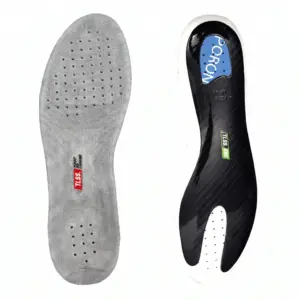
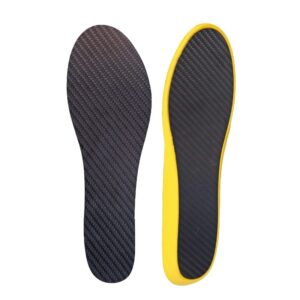
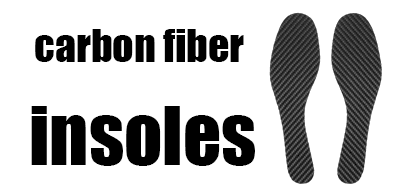
If you want carbon plate benefits without buying new shoes, consider upgrading your insoles. Our CarbonFiber Insoles offer:
✔ Energy return similar to premium running shoes
✔ Customizable fit for any footwear
✔ 1/3 the cost of full carbon-plated shoes
- Sale!

- Select options This product has multiple variants. The options may be chosen on the product page
Original price was: $119.00.$93.99Current price is: $93.99. - Select options This product has multiple variants. The options may be chosen on the product page
- Select options This product has multiple variants. The options may be chosen on the product page
- Sale!
- Select options This product has multiple variants. The options may be chosen on the product page
Original price was: $134.00.$89.99Current price is: $89.99.