The running world has been swept up in a carbon frenzy. Since major sportswear brands’s groundbreaking premium carbon-plated racers reshaped marathon podiums, carbon plate shoes have become synonymous with peak performance. But a new, more accessible player has entered the arena: carbon fiber insoles. This innovation promises to deliver that coveted energy return and propulsion to the shoes you already own.
Now, athletes everywhere face a new dilemma: Should you invest in a dedicated pair of super shoes, or can a simple insole upgrade deliver a similar boost? This isn’t just about price; it’s about performance, physiology, and purpose. This comprehensive guide will dissect the pros and cons of each option, helping you decide which carbon solution is the right fuel for your fitness goals.
Chapter 1: Understanding the Technologies
What Are Carbon Plate Shoes?
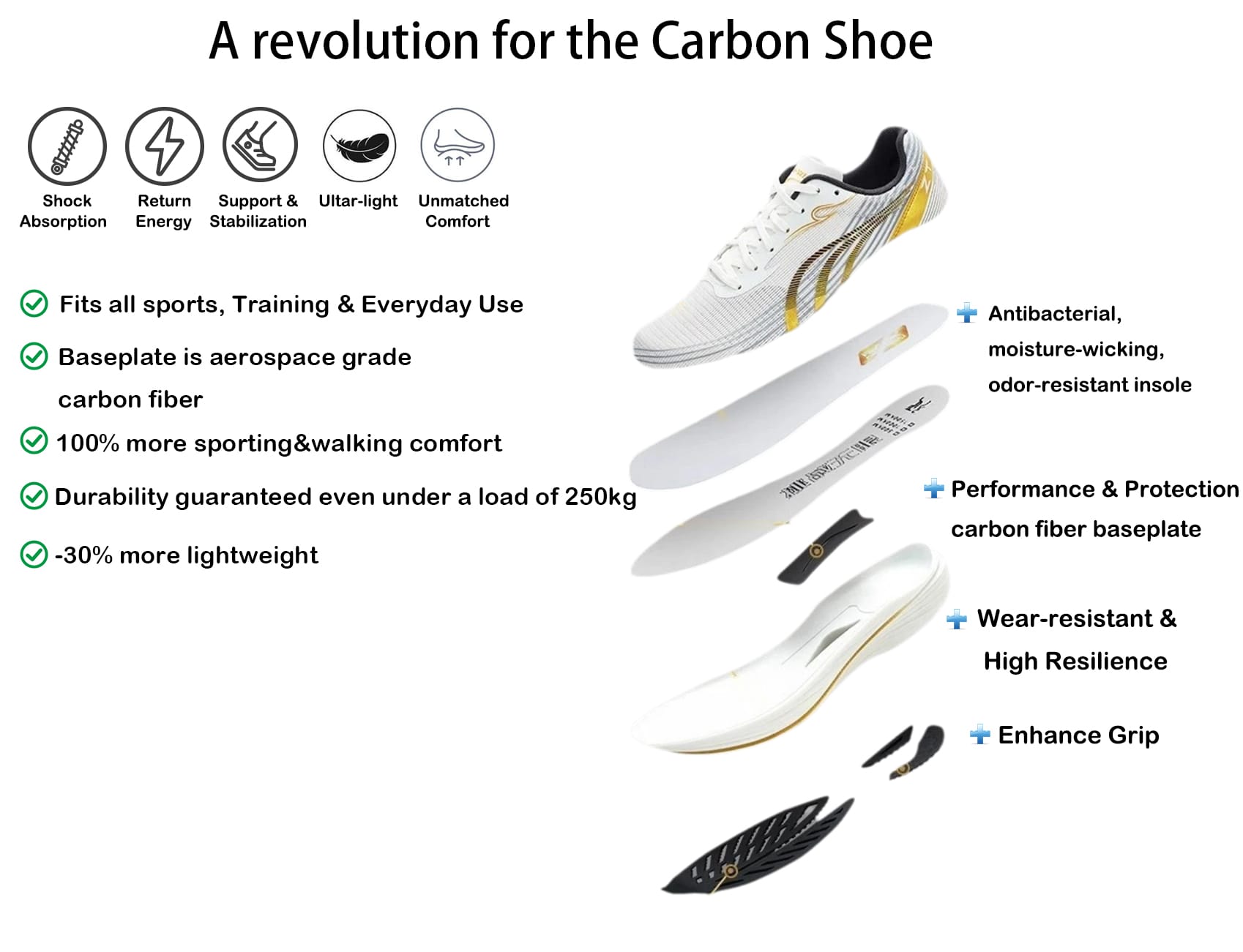
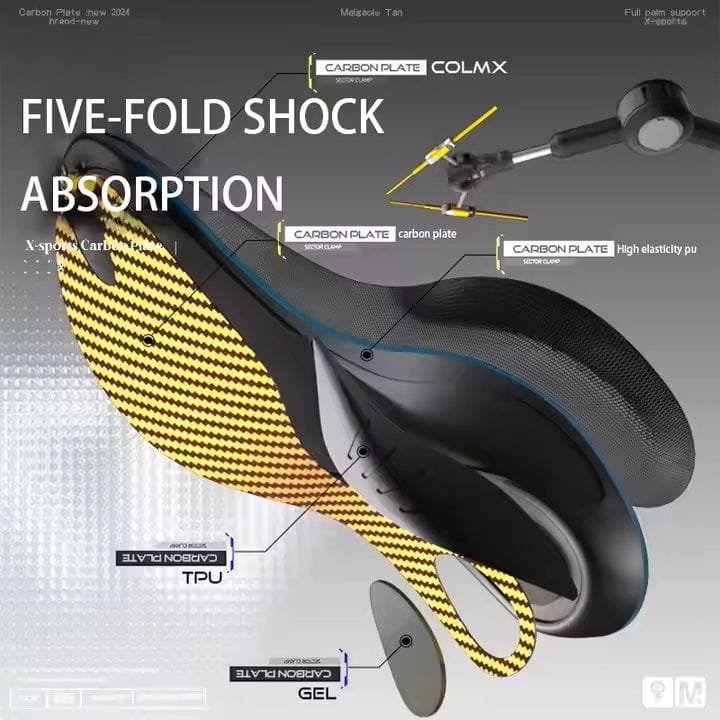
Carbon plate shoes are engineered systems. They integrate a rigid or semi-rigid carbon fiber plate within an advanced, ultra-responsive midsole foam (like PEBA or high-rebound foam). The magic isn’t just in the plate; it’s in the synergistic combination. The plate works in tandem with the soft foam: it stabilizes the foot, prevents the foam from compressing too much (thereby saving energy), and creates a rigid lever for propulsion during toe-off. The entire shoe is designed from the ground up to be a performance-enhancing tool.
What Are Carbon Fiber Insoles?
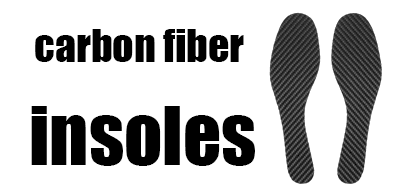
Carbon fiber insoles, like those pioneered by [Your Brand Name], are performance upgrade modules. They are standalone, flexible carbon fiber plates shaped like shoe insoles that you insert into your existing footwear. Their primary mechanism is to reduce the energy loss in the foot’s natural windlass mechanism. By adding stiffness under the metatarsals, they store elastic energy as your foot loads and then release it as a propulsive snap, pushing you forward into the next stride. They bring the core benefit of carbon technology—energy return—to any compatible shoe.
Chapter 2: Head-to-Head: The Pros and Cons
Carbon Plate Shoes: The Pros
Maximized Performance: This is their raison d’être. The integrated design offers the highest potential for energy return and speed. Studies have consistently shown they improve running economy by 4-5%.
Superior Cushioning: The advanced foams used are exceptionally soft, lightweight, and resilient, providing unmatched comfort and impact protection on long runs.
Optimized Design: Every element—the rocker geometry, the foam density, the plate curvature—is meticulously designed to work together for a singular purpose: forward motion.
Carbon Plate Shoes: The Cons
High Cost: The technology comes at a premium. A pair of top-tier carbon plate shoes typically ranges from $250 to $300.
Durability Concerns: The super soft foams are often less durable than standard EVA and can wear down quickly, especially if used for daily training on rough surfaces.
Specific Use Case: They are primarily designed for race day and fast workouts. Their stability can be compromised at slower paces, and they are often not recommended for runners with certain gait patterns or injuries.
Single-Purpose: You get one shoe for one job. You can’t transfer the technology to your hiking boots or soccer cleats.
Carbon Fiber Insoles: The Pros
Unbeatable Value & Versatility: This is their killer feature. For a fraction of the cost of carbon plate shoes, you can upgrade multiple pairs of shoes—your daily trainers, your racing flats, even your gym shoes. This makes them one of the most cost-effective performance upgrades on the market.
Reduce Foot Fatigue: A key benefit often overlooked is reducing foot and calf fatigue. The stiffness of the plate supports the plantar fascia and reduces the strain on calf muscles, allowing you to run stronger for longer.
Ideal for Injury Prevention: By providing consistent metatarsal support and reducing the load on lower-leg muscles, they can be a powerful tool for runners managing or preventing issues like plantar fasciitis or calf strains.
Test the Technology: They offer a low-risk, low-cost entry point for athletes curious about carbon technology but hesitant to fully commit to a specialized shoe.
Carbon Fiber Insoles: The Cons
Dependent on Host Shoe: Their performance is limited by the shoe you put them in. They can’t magically give an old, worn-out trainer the midsole foam of a super shoe.
Fit Can Be Tricky: Adding an insole removes volume inside the shoe. You may need to go up a half-size or remove the existing insole, which can alter the feel and fit of your favorite shoes.
Less “Pop” Than Dedicated Shoes: While they provide a significant propulsion boost, they may not match the raw, maximalist energy return of a fully integrated super shoe system.
Chapter 3: Making the Choice: Who Should Buy What?
Choose Carbon Plate Shoes If:
You are a competitive runner chasing a personal best or a podium finish.
Your budget allows for a shoe dedicated solely to race day and key workouts.
You want the absolute maximum performance and cushioning technology available.
You are injury-free and have a running style that suits the aggressive geometry of super shoes.
Choose Carbon Fiber Insoles If:
You are a value-conscious athlete looking to enhance performance across your entire shoe rotation.
You want to reduce foot and calf fatigue during long runs and high-volume training weeks.
You need metatarsal support for injury prevention or are managing plantar fasciitis.
You want to experience carbon technology in a versatile, low-commitment way.
You enjoy the fit and feel of your current daily trainers but want to give them a speed boost.
Chapter 4: The Verdict: Do You Really Have to Choose?
Here’s the secret many elite athletes and coaches know: this isn’t an either/or decision. The most strategic approach is to use both.
The Performance Stack: Use carbon fiber insoles in your daily training shoes. This will make your easy and long runs more efficient, reduce muscular fatigue, and help you stay healthier.
The Race Day Weapon: Save your pristine carbon plate shoes for race day and crucial tempo sessions. This preserves their expensive foam and ensures you get the full, jaw-dropping effect when it matters most.
This combination allows you to train smarter with your insoles and race faster with your shoes, maximizing your investment in both technologies.
Conclusion: Empower Your Stride, Your Way
The carbon revolution is no longer exclusive to those willing to drop $300 on a single pair of shoes. Carbon fiber insoles have democratized performance technology, offering a smart, versatile, and powerful alternative.
Whether you choose the specialized brilliance of carbon plate shoes, the adaptable value of carbon fiber insoles, or the winning combination of both, you are making an investment in your performance. The best choice depends entirely on your goals, your budget, and your shoes.
Ready to experience the carbon difference?
At carbonfiberinsoles.shop, we engineer premium carbon fiber insoles to deliver professional-grade propulsion and support to athletes of all levels.
Explore Our Collection of insoles to find the perfect model for your needs.
Read Our Reviews and see how thousands of runners are transforming their training.
Still not sure? Contact our team of experts—we’re here to help you make the right choice.
Understanding Carbon Fiber Insoles vs. Carbon Plate Shoes: Which is Right for You?: Key Considerations
When evaluating whether Carbon Fiber Insoles vs. Carbon Plate Shoes: Which is Right for You?, it’s important to consider both the immediate benefits and long-term implications for your foot health. Carbon fiber insoles have gained significant traction in recent years, with professional athletes and healthcare providers increasingly recommending them for a variety of foot-related conditions. The unique properties of carbon fiber—including its exceptional strength-to-weight ratio and energy-return characteristics—make it an ideal material for orthotic applications.
Who Can Benefit Most from Carbon Fiber Insoles?
Carbon fiber insoles are particularly beneficial for individuals who spend extended periods on their feet, whether for professional reasons or athletic pursuits. Studies have shown that proper arch support and heel stabilization can reduce foot fatigue by up to 40%, allowing users to remain comfortable and productive throughout the day. The rigidity of carbon fiber provides consistent support that doesn’t compress over time, unlike traditional foam or gel insoles.
Making the Right Choice for Your Needs
Ultimately, the decision between carbon fiber insoles and traditional alternatives depends on your specific circumstances, including your foot type, activity level, and any pre-existing conditions. We recommend consulting with a podiatrist if you have persistent foot pain or structural concerns. For those seeking a durable, high-performance insole solution, carbon fiber options offer compelling advantages that justify their premium positioning in the market.
Frequently Asked Questions
Q: How long do carbon fiber insoles last compared to traditional insoles?
A: Carbon fiber insoles typically last 2-3 years with regular use, significantly outlasting foam insoles which may need replacement every 3-6 months.
Q: Are carbon fiber insoles suitable for all types of shoes?
A: While carbon fiber insoles work well in most athletic and casual shoes, they may require shoes with adequate depth. High heels and some dress shoes may not accommodate thicker insoles.
Q: Can carbon fiber insoles help with existing foot pain?
A: Many users report significant pain reduction, particularly for conditions like plantar fasciitis, metatarsalgia, and general foot fatigue. Individual results vary.
Q: Do carbon fiber insoles require a break-in period?
A: Unlike some orthotic devices, carbon fiber insoles typically require minimal break-in time. Most users adapt within a few days of regular wear.