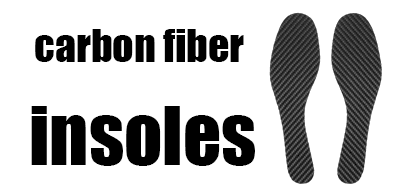
Carbon fiber insoles have gained popularity among athletes, runners, and even everyday users looking for enhanced performance and support. But with a higher price tag than traditional insoles, many wonder: Are carbon fiber insoles worth the investment?
In this article, we’ll break down:
- The durability of carbon fiber insoles compared to traditional options
- How long they last under different conditions
- Tips to extend their lifespan
By the end, you’ll know whether carbon fiber insoles are a smart long-term purchase or just a trendy upgrade.
1. Carbon Fiber vs. Traditional Insoles: Which Lasts Longer?
A. The Durability of Carbon Fiber
Carbon fiber is known for its high strength-to-weight ratio, meaning it’s both lightweight and extremely durable. Unlike foam or gel insoles, which compress over time, carbon fiber maintains its structure due to its rigid yet flexible composition.
Key benefits:
✔ No compression fatigue – Unlike EVA foam, carbon fiber doesn’t break down with repeated impact.
✔ Resistant to moisture & bacteria – Unlike porous materials, carbon fiber doesn’t absorb sweat, reducing odor and degradation.
✔ Consistent performance – It doesn’t lose its energy return or support over time.
B. Traditional Insoles: Why They Wear Out Faster
Most standard insoles are made from:
- EVA foam (soft but compresses quickly)
- Gel cushioning (comfortable but can flatten)
- Polyurethane (PU) foam (more durable than EVA but still degrades)
Lifespan comparison:
| Material | Average Lifespan | Key Weaknesses |
|---|---|---|
| Carbon Fiber | 2-5+ years | Can crack if bent excessively |
| Polyurethane (PU) | 6-12 months | Loses cushioning over time |
| EVA Foam | 3-6 months | Flattens quickly |
| Gel Insoles | 4-8 months | Can leak or shift |
Verdict: Carbon fiber insoles last significantly longer than traditional options, making them a better long-term investment.
2. How Long Do Carbon Fiber Insoles Really Last?
A. Factors Affecting Longevity
While carbon fiber is highly durable, its lifespan depends on:
- Usage Frequency
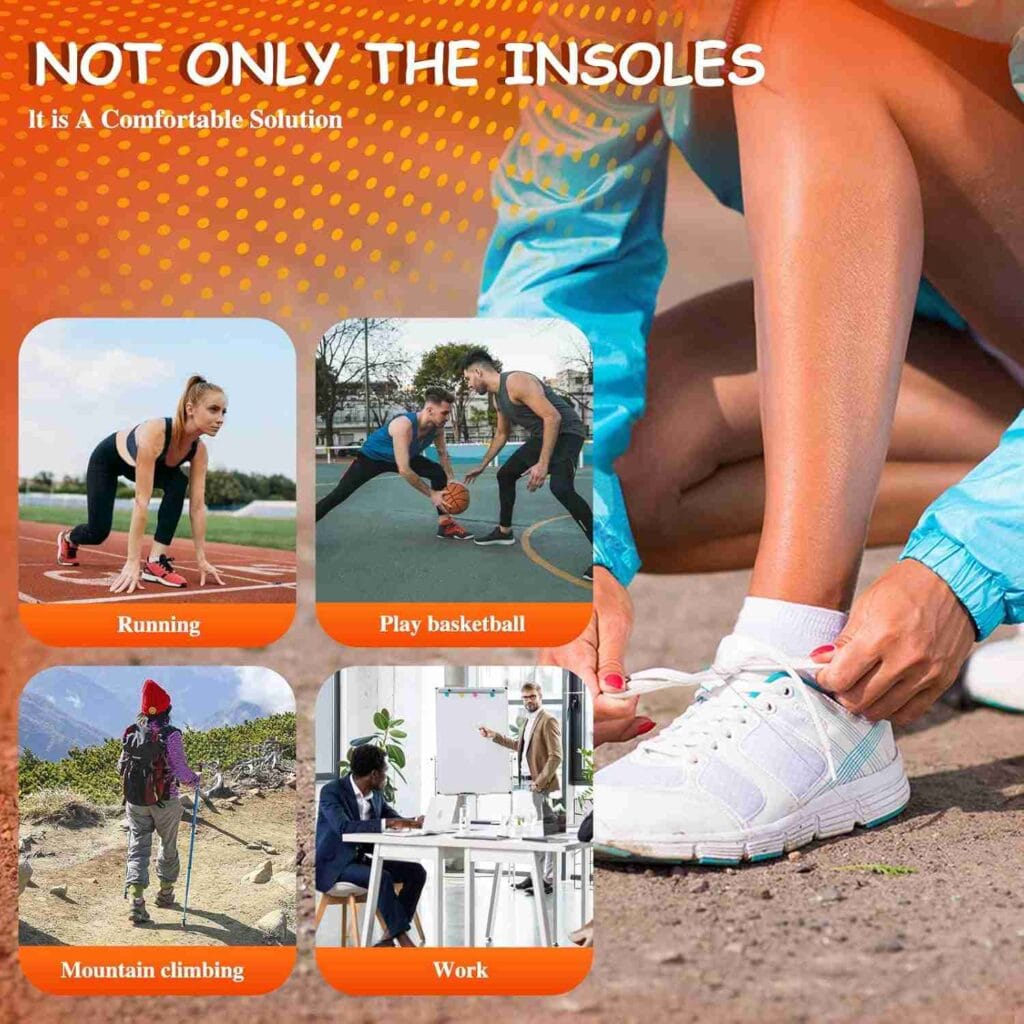
- Daily wear (walking, standing): 3-5 years
- High-impact sports (running, basketball): 2-3 years
- Foot Mechanics
- Heavy pronators/supinators may wear them out faster.
- Care & Maintenance
- Proper cleaning and storage extend their life.
B. Signs Your Carbon Fiber Insoles Need Replacement
Even the toughest insoles don’t last forever. Watch for:
⚠ Visible cracks or delamination (layers separating)
⚠ Reduced energy return (feeling less “springy”)
⚠ Uncomfortable pressure points (if the structure weakens)
3. How to Extend the Life of Your Carbon Fiber Insoles
To maximize your investment, follow these care tips:
A. Cleaning & Maintenance
- Wipe with a damp cloth (avoid soaking; carbon fiber is water-resistant but adhesives may weaken).
- Use mild soap if needed (no harsh chemicals).
- Air dry (never use a dryer or direct heat).
B. Proper Storage
- Keep them flat when not in use (avoid bending or folding).
- Store in a cool, dry place (humidity can affect adhesives).
C. Rotate Between Pairs
If you use them for sports, consider having a second pair to reduce constant wear.
Final Verdict: Are Carbon Fiber Insoles Worth It?
✅ Yes, if:
✔ You want long-term durability (saving money over frequent replacements).
✔ You need consistent support & energy return (for sports or standing all day).
✔ You prefer low-maintenance, odor-resistant insoles.
❌ No, if:
✖ You prefer ultra-soft cushioning (carbon fiber is stiff for some).
✖ You’re on a tight budget (initial cost is higher, but long-term savings may offset this).
Best For:
- Runners & athletes needing energy return
- People with plantar fasciitis needing arch support
- Workers on their feet all day who want lasting comfort
Conclusion
Carbon fiber insoles are a premium investment, but their durability, performance, and low maintenance make them cost-effective over time. While traditional insoles wear out in months, carbon fiber can last years with proper care.
If you’re looking for long-term foot support without constant replacements, carbon fiber insoles are worth the price.
Have you tried carbon fiber insoles? Share your experience in the comments! 🚀
The Engineering Behind Carbon Fiber Performance
Carbon fiber is an extraordinarily strong and lightweight material composed of thin crystalline carbon filaments. When woven into a composite structure and combined with epoxy resin, it creates a material with a strength-to-weight ratio superior to most metals. In footwear applications, this translates to a rigid yet featherlight platform that stores and returns energy with each footstrike.
The carbon fiber manufacturing process involves layering sheets of carbon fiber fabric in specific orientations to optimize performance characteristics. Running insoles typically use a 0.4mm to 1.0mm carbon fiber plate, balancing flexibility for comfort with rigidity for energy return. Advanced athletic shoes may incorporate multiple carbon fiber layers or hybrid constructions with glass fiber for specific performance attributes.
Research published in sports medicine journals has demonstrated that carbon fiber plate technology can improve running economy by 1-4%, a significant advantage in competitive racing scenarios. The mechanism involves the “lever arm” effect where the stiff carbon plate reduces the energy absorbed by the foot’s arch and midfoot structures, allowing more energy to be redirected into forward propulsion.
At CarbonFiberInsoles.shop, all products undergo rigorous quality testing to ensure consistent performance characteristics. Each insole is engineered to provide optimal energy return while maintaining the durability needed for serious athletic training. The combination of aerospace-grade carbon fiber and precision manufacturing delivers performance that recreational and competitive athletes can trust.
Frequently Asked Questions
Are carbon fiber insoles suitable for all types of sports?
Carbon fiber insoles are versatile and beneficial across a wide range of athletic activities, including running, basketball, soccer, volleyball, tennis, and cross-training. The key is selecting the right insole for your specific sport and foot type. For running and marathon training, look for insoles designed for energy return and shock absorption. For court sports like basketball and volleyball, choose insoles that prioritize lateral stability and quick response. Learn more about carbon fiber insoles for runners.
How long do carbon fiber insoles last?
High-quality carbon fiber insoles are designed for durability, typically lasting 500-1,000 miles of running or 12-18 months of regular athletic use. Unlike foam or gel insoles that compress over time, carbon fiber maintains its structural integrity and energy-return properties much longer. Signs that it’s time to replace your insoles include visible cracking, loss of arch support, or decreased performance benefits.
Do carbon fiber insoles help with foot pain?
Yes, carbon fiber insoles can significantly reduce common types of foot pain including plantar fasciitis, arch pain, heel pain, and forefoot discomfort. The rigid carbon fiber shell redistributes pressure across the foot, reducing stress on痛 points while the arch support helps maintain proper foot alignment. Many athletes report reduced fatigue and faster recovery after switching to carbon fiber insoles.
Can I use carbon fiber insoles in everyday shoes?
Carbon fiber insoles are primarily designed for athletic footwear, but many styles can be transferred to casual shoes that have removable insoles. However, the performance benefits are most pronounced in shoes designed for athletic use. For everyday comfort, consider dedicated walking shoes with built-in arch support rather than transferring performance insoles.
What’s the difference between carbon fiber insoles and carbon plate running shoes?
Carbon fiber insoles are aftermarket inserts that you place inside your existing athletic shoes, providing additional arch support, rigidity, and energy return. Carbon plate running shoes have a carbon fiber plate built directly into the shoe’s midsole during manufacturing, creating an integrated propulsion system. Both technologies offer performance benefits, but carbon plate shoes provide a more complete, engineered solution while insoles offer versatility across multiple pairs of shoes.
Related Products
Explore our curated selection of high-performance carbon fiber insoles and shoes designed to elevate your athletic performance:
- Carbon Fiber Insoles Meticulously Engineered To En
- Carbon Fiber Insoles Boost Explosive Power And Bou
Browse our full collection at CarbonFiberInsoles.shop for the latest carbon fiber footwear technology.